Natural vs Synthetic Fabrics: A Complete Performance and Use Comparison
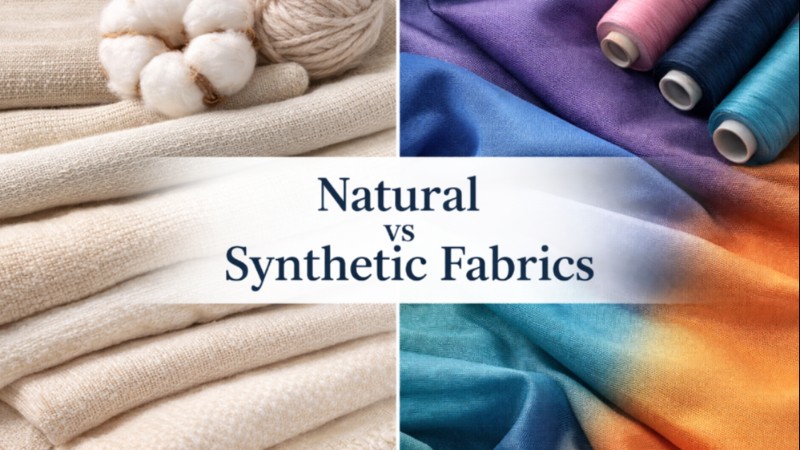
Choosing between natural and synthetic fabrics is a fundamental decision that affects comfort, performance, and environmental impact. This guide breaks down the key differences between these two categories, helping you make informed choices for your wardrobe, home, and gear based on real-world performance and use.
Defining the Basics: What Are Natural and Synthetic Fabrics?
Before comparing performance, it's essential to understand what sets these materials apart at their core. The distinction starts with their origins.
What Are Natural Fabrics? (From Plant and Animal Fibers)
Natural fabrics come directly from nature. Plant-based fibers like cotton and linen are harvested from crops, while animal-based fibers like wool and silk come from sheep and silkworms. These materials are biodegradable and have been used for millennia, prized for their inherent feel and properties.
What Are Synthetic Fabrics? (Engineered from Polymers)
Synthetic fabrics are human-made, created through chemical processes using petroleum-based polymers. Common examples include polyester, nylon, and acrylic. Engineers design these materials to achieve specific performance traits, such as high strength, elasticity, or water resistance, offering consistency that natural fibers sometimes lack.
Head-to-Head: Key Performance Characteristics Compared
How do these fabric types stack up in daily use? Let's compare the most critical functional attributes side by side.
Durability and Strength
Synthetic fibers generally excel in tensile strength and abrasion resistance. Nylon and polyester are incredibly tough, making them ideal for items that undergo heavy wear. Natural fibers like cotton or silk are comfortable but can be less resistant to tearing and may degrade faster with frequent, harsh washing.
Moisture Management and Breathability
This is a key area of difference. Natural fibers like cotton and linen are highly breathable and absorb moisture, keeping you cool in heat. Synthetics like polyester are hydrophobic; they repel water and excel at wicking sweat away from the skin to the fabric's surface to evaporate. However, if not engineered for breathability, they can feel clammy.
Thermal Regulation and Insulation
Wool, a natural fiber, provides excellent insulation even when wet. Linen is naturally cool. Synthetics offer targeted solutions: lightweight fleece provides warmth without weight, and some high-tech membranes offer windproof, waterproof insulation for extreme conditions.
Care and Maintenance
Synthetics often win for easy care. They resist wrinkles, dry quickly, and are less prone to shrinking. Many natural fabrics require more attention: they may wrinkle easily (linen), shrink (cotton), or need specialized dry cleaning (wool, silk). Blends aim to offer the best of both worlds.
The Sustainability and Environmental Impact Discussion
The ecological footprint of our clothing is a pressing concern. The sustainability picture for natural vs synthetic fabrics is complex, with pros and cons for each.
The Environmental Case for Natural Fibers
Natural fibers are biodegradable and come from renewable resources. Organic farming practices can reduce water pollution and pesticide use. However, conventional cotton farming is notoriously water-intensive, and large-scale animal farming for wool has its own land-use and ethical considerations.
The Environmental Reality of Synthetic Fibers
The production of synthetics relies on fossil fuels and is energy-intensive. A major issue is microplastic pollution—tiny fibers shed during washing that enter waterways. On the positive side, synthetics are durable and the industry is advancing with recycled materials, like polyester made from plastic bottles (rPET), which reduces waste and virgin resource use.
Choosing the Right Fabric: Application-Based Recommendations
The best fabric depends entirely on what you're using it for. Here’s how to match material to mission.
Best Fabrics for Activewear and Performance Gear
For high-intensity activity, moisture-wicking synthetics (polyester, nylon) are the standard for keeping you dry. However, don't overlook merino wool—a natural fiber that wicks, regulates temperature, and resists odor naturally. Most performance wear uses clever blends to balance wicking, stretch, and comfort.
Best Fabrics for Everyday Comfort and Casual Wear
For daily comfort, breathable natural fabrics like cotton, linen, and Tencel™ are hard to beat. They feel soft against the skin and are ideal for t-shirts, button-downs, and summer dresses. Easy-care synthetic blends are popular for "no-iron" shirts and durable children's clothing.
Best Fabrics for Durability and Specialized Use (Outdoor, Workwear)
For extreme conditions, high-tenacity synthetics dominate. Think nylon for backpack fabric, polyester for weather-resistant shells, and Cordura® for abrasion-resistant workwear. Heavier natural fabrics, like waxed cotton canvas, still have a place in heritage-style gear and offer a biodegradable alternative for certain uses.
The Future of Fabrics: Blends, Innovations, and Smart Choices
The debate between natural and synthetic fabrics isn't about picking a winner. The future lies in intelligent material science—blending fibers to maximize strengths, developing bio-based synthetics, and improving recycling systems. The smartest choice is an informed one: consider the garment's purpose, care for it properly to extend its life, and support innovations that reduce environmental harm. By understanding the core performance differences, you can navigate the world of natural vs synthetic fabrics with confidence.
FAQ: Your Natural vs Synthetic Fabrics Questions Answered
1. Which is better for sensitive skin, natural or synthetic fabrics?
Natural fibers like organic cotton, silk, or bamboo are often gentler as they are breathable and less likely to cause irritation. Some synthetics can trap heat and moisture, potentially aggravating sensitive skin.
2. Are synthetic fabrics always cheaper than natural ones?
Generally, yes, due to cheaper, scalable production. However, high-performance technical synthetics or luxury natural fabrics like cashmere can defy this simple price comparison.
3. What is the most sustainable fabric choice?
There's no single answer. It depends on metrics. For lower microplastic impact and biodegradability, organic natural fibers score well. For durability and recycled content, fabrics like rPET polyester have a strong case. The most sustainable garment is often the one you already own.
4. Can synthetic fabrics be as breathable as natural ones?
Through advanced engineering, some synthetics can achieve high breathability for specific uses (e.g., athletic meshes). However, for general, all-day breathability in casual wear, natural fibers like cotton and linen typically have an inherent advantage.
5. How do fabric blends change the performance of a material?
Blends combine properties. A cotton-polyester blend might offer the softness and breathability of cotton with the wrinkle resistance and durability of polyester, creating a more versatile and easy-care fabric.