Blended Fabrics: A Technical Guide to Fiber Combinations
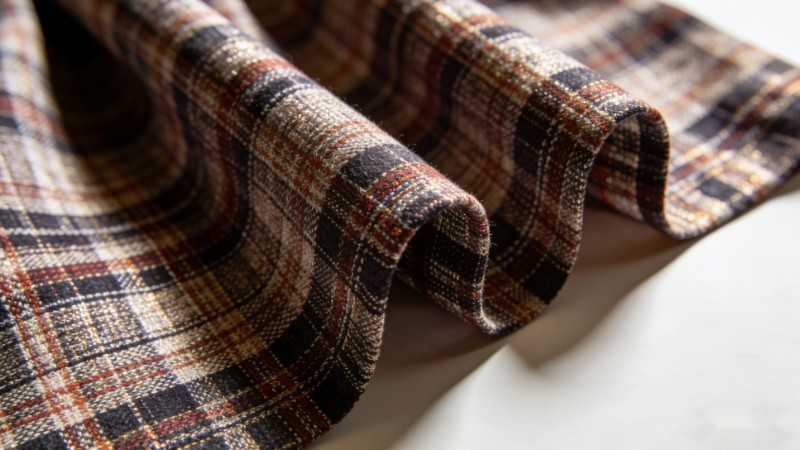
Blended fabrics are a fundamental innovation in modern textiles, engineered by combining two or more distinct fibers into a single yarn. This process of textile blending is not arbitrary; it is a calculated method to create materials with superior properties unattainable by a single fiber. This guide examines the engineering principles, benefits, and applications behind these essential fabric compositions.
What Are Blended Fabrics? A Simple Definition
A blended fabric is produced when different staple fibers are combined before or during spinning. The resulting yarn, and subsequently the textile, exhibits a hybrid set of characteristics derived from each component. This contrasts with a fabric made from 100% of one fiber type.
The Core Idea: Combining Fiber Properties
The primary objective is additive. A natural fiber like cotton offers breathability and comfort but may lack durability and wrinkle resistance. A synthetic like polyester provides strength, shape retention, and quick drying. By blending them, the resulting material aims to inherit the advantageous traits of both, mitigating their individual weaknesses.
Common vs. Technical Blends
Blends fall into two broad categories. Common blends, such as the ubiquitous cotton-polyester, are designed for general apparel and home textiles, balancing cost, durability, and easy care. Technical blends are engineered for specific high-performance applications, such as moisture-wicking in athletic wear or flame resistance in protective gear, often using advanced synthetic fiber blends.
The Top Reasons for Blending Fibers (The "Why")
The decision to blend fibers is driven by functional, economic, and performance requirements that a mono-fiber cannot satisfy.
Enhancing Performance and Durability
Blending directly improves mechanical properties. Adding polyester to cotton increases tensile strength and abrasion resistance, extending garment life. Synthetic components improve wrinkle recovery and shape retention, ensuring the product maintains its intended form through wear and washing.
Improving Comfort and Feel
Comfort is a multi-faceted metric. Blending can modulate hand feel, drape, and thermo-physiological comfort. For instance, a small percentage of spandex introduces necessary stretch without compromising the primary fabric's texture. A wool-acrylic blend retains wool's insulating feel while reducing prickliness and improving machine-washability.
Managing Cost and Production Efficiency
Incorporating a less expensive synthetic fiber can significantly reduce raw material costs. From a production standpoint, synthetic fibers often process more efficiently at high speeds and can accept dyes differently, allowing for broader color ranges and more consistent dyeing outcomes than some natural fibers alone.
A Guide to Common Fabric Blends and Their Uses
Understanding fabric composition is key to specifying the right material for an application.
Cotton-Polyester Blend: The Everyday Workhorse
Typically ranging from 50/50 to 65/35 cotton to polyester, this blend dominates casual wear, uniforms, and bed linens. The cotton provides absorbency and softness, while the polyester contributes durability, reduced shrinkage, and easier care, making it a cost-effective and practical choice for high-use items.
Wool Blends: Luxury Meets Practicality
Pure wool is prized but can be expensive, delicate, and require specialist care. Blending wool with nylon (for durability in socks and suits), acrylic (for affordability in knitwear), or even silk (for enhanced luster and drape) creates fabrics that preserve wool's core benefits while adding practicality, stretch, and cost efficiency.
Performance and Technical Blends
These are engineered for specific athletic or protective functions. A common example is a nylon-spandex blend for activewear, where nylon offers strength and abrasion resistance, and spandex provides essential elasticity. For outdoor gear, polyester-cotton blends (like 65/35 ripstop) are treated for water resistance, balancing comfort and weather protection.
How Blended Fabrics Are Made: The Textile Blending Process
The manufacturing process determines the uniformity and final properties of the blended fabric.
Fiber Blending vs. Yarn Blending
Intimate fiber blending, the most common method, involves thoroughly mixing different staple fibers in a predetermined ratio at the bale or carding stage. This creates a homogeneous yarn. Yarn blending, or ply blending, involves twisting together yarns of different compositions, which can create visual or textural effects but results in a less integrated final fabric.
Key Stages in the Manufacturing Flow
The standard sequence for intimate blending includes: fiber selection and weighing, opening and mixing to ensure even distribution, carding to align fibers and form a web, drawing to further parallelize and blend the fiber strand, and finally spinning it into a cohesive blended yarn ready for weaving or knitting.
Considerations and Care for Blended Fabrics
While advantageous, blended fabrics introduce specific care and lifecycle considerations.
Understanding Care Labels and Laundry
The care instructions for a blended fabric are dictated by its most delicate component. A garment containing even 5% wool or silk may require cold water and line drying, as the synthetic portion can withstand more heat but the natural fiber cannot. Always follow the label for the blend's weakest fiber.
Potential Drawbacks to Be Aware Of
Differential wear can occur where one fiber degrades faster than another, leading to pilling. Heat-sensitive synthetics can melt under high iron temperatures. Furthermore, the inseparable nature of different fibers in a blend presents a significant challenge for mechanical recycling, complicating end-of-life processing.
The Future of Fabric Blends and Sustainable Innovation
The industry is evolving to address the environmental impact of textile blending while maintaining performance.
Bio-Based and Recycled Fiber Blends
Innovation focuses on combining fibers like organic cotton, recycled polyester (rPET), and lyocell (Tencel™). These bio-based and recycled fiber blends aim to reduce virgin resource consumption and waste, though they still face the fundamental recycling separation challenge.
The End-of-Life Challenge and Circular Design
The complexity of recycling blended fabrics is driving research into chemical recycling methods that can separate fibers and into design-for-disassembly principles. The ultimate goal is a shift towards mono-material constructions or blends designed from the outset for easy separation and true circularity.
Frequently Asked Questions About Blended Fabrics
Is a cotton-polyester blend better than 100% cotton?
It depends on the use case. For durability, wrinkle resistance, and easy care, the blend is superior. For maximum breathability, softness, and natural feel, 100% cotton is often preferred.
What is the most durable fabric blend?
Blends incorporating high-tenacity fibers like nylon or polyester are exceptionally durable. For example, a cotton-nylon blend, common in workwear and canvas, offers excellent strength and abrasion resistance.
How do I wash a blended fabric garment correctly?
Always follow the care label. As a rule, wash in cool or warm water (not hot) and tumble dry on low. When in doubt, treat the garment as if it were made entirely of its most delicate fiber component.
Are blended fabrics bad for the environment?
They present a complex trade-off. Blends can extend a garment's life, reducing waste. However, their mixed material composition makes them difficult to recycle through conventional means, often leading to landfill or incineration at end-of-life.
Why do my blended socks wear out faster in specific spots?
This is likely differential wear or abrasion. In a heel or toe, the softer fiber (e.g., cotton) may wear down or break first, leaving the more durable synthetic fiber (e.g., polyester) exposed, leading to thinning and holes.