Gabardine, Wool & Cotton: A Comprehensive Comparison of Trouser Fabrics
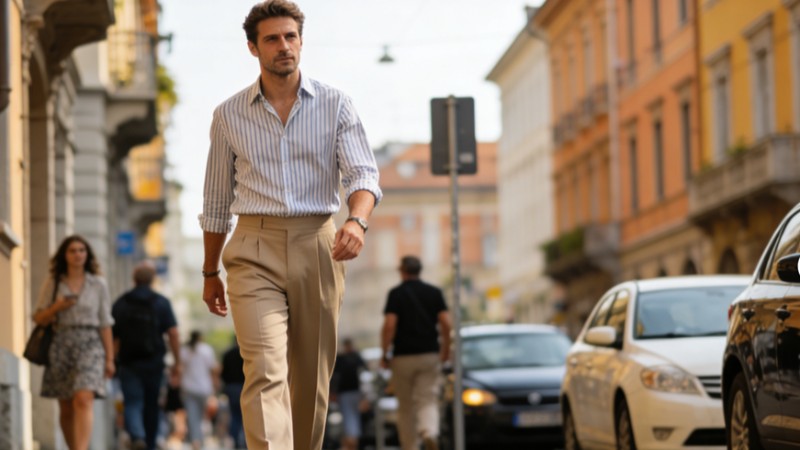
Selecting the optimal fabric is a critical decision in trouser construction, directly impacting durability, drape, comfort, and suitability for the intended environment. The debate often centers on three primary materials: gabardine, wool, and cotton. Each possesses distinct technical properties that dictate its performance and application in formal, business, and casual contexts.
This analysis provides a systematic comparison of these fabrics, focusing on weave structure, fiber characteristics, and practical performance metrics. The goal is to equip you with the objective data needed to specify or select the most appropriate material for your requirements.
Gabardine: The Durable Workhorse
Gabardine is a tightly woven fabric, traditionally using a twill weave construction. This weave creates a distinctive diagonal rib on the fabric's surface, contributing to its high tensile strength and resistance to abrasion. The tight weave also results in a naturally wind-resistant and water-repellent surface, making it a historically preferred material for outerwear and uniforms.
Modern gabardine trousers are valued for their crisp appearance and exceptional durability. The fabric holds a sharp crease well and resists wrinkling throughout the day. It is commonly found in business attire and travel clothing, where maintaining a polished look under frequent use is paramount. The inherent structure of gabardine provides a clean, tailored drape that suits structured trouser designs.
Assessing Gabardine Trousers Durability
The renowned durability of gabardine stems from its dense weave and high twist yarns. This construction minimizes fiber shedding and pilling. However, not all gabardine is equal. Durability is influenced by fiber content:
Wool Gabardine: Offers the classic balance of resilience, breathability, and a premium hand-feel. It is less prone to shining with wear compared to synthetic blends.
Cotton Gabardine Pants: Provide a lighter, more breathable option with a matte finish. While still durable, cotton lacks wool's natural elasticity and may wrinkle more readily.
Polyester Blends: Enhance wrinkle resistance and reduce cost but can compromise breathability and develop a synthetic sheen over time.
Wool: The Benchmark for Formality and Drape
Wool remains the benchmark fabric for formal and high-level business trousers. Its performance is defined by the fiber's natural crimp, which creates insulating air pockets and provides inherent elasticity. This elasticity allows wool trousers to recover from wrinkles and maintain their shape over hours of wear.
Wool fabrics range from lightweight tropical wools for summer to heavier flannels for winter. For year-round business wear, mid-weight worsted wools in plain or twill weaves are standard. They offer excellent breathability, moisture-wicking, and a superior, fluid drape that is difficult to replicate with other fibers.
Wool Trousers vs Gabardine: A Functional Analysis
The choice between wool and gabardine often hinges on the specific use case and desired aesthetic.
| Parameter | Wool (Worsted) | Gabardine |
|---|---|---|
| Primary Weave | Plain, Twill, Herringbone | Tight Twill |
| Drape & Hand | Softer, more fluid | Crisper, more structured |
| Wrinkle Recovery | Excellent (high natural elasticity) | Very Good (due to tight weave) |
| Durability Focus | Resilience & Shape Retention | Abrasion & Tear Resistance |
| Ideal Context | Boardroom, formal events, daily business wear | Frequent travel, extended wear, structured uniforms |
Cotton: The Versatile Foundation
Cotton is a cellulosic fiber prized for its breathability, softness, and absorbency. In trouser construction, it is used in various weaves, each yielding different properties. Poplin and twill are common for chinos, offering a balance of comfort and neatness, while canvas provides maximum durability for casual or workwear.
The primary technical drawback of pure cotton is its lack of inherent elasticity and susceptibility to wrinkling. It also absorbs and retains moisture, which can be a disadvantage in humid climates or for extended wear. These characteristics generally position cotton trousers as superior for smart-casual or casual environments rather than strict formal settings.
Formal Trouser Material Comparison: Selection Criteria
For formal and business trousers, the selection criteria extend beyond fiber to include weave, weight, and finish. A formal trouser material comparison must consider these factors:
Drape: The fabric must fall cleanly from the hip without clinging or flaring. Worsted wool excels here.
Crease Retention: The ability to hold a sharp, permanent crease is non-negotiable. Gabardine and high-twist wool perform best.
Comfort & Climate: Weight (measured in ounces per square yard) and breathability are critical. Tropical wools (~8-10 oz) suit warm climates; gabardine or heavier wool (~11-13 oz) is better for cooler temperatures.
Maintenance: Consider dry-cleaning frequency. Wool typically requires more care than some cotton or synthetic-blend gabardines.
Making an Informed Fabric Selection
The optimal fabric for trousers is determined by a weighted analysis of your specific performance requirements. For maximum durability in a structured, business-appropriate pant, wool or cotton gabardine is a superior choice. For unrivaled drape, comfort, and formality in a climate-controlled environment, worsted wool is the definitive selection. For breathable, low-maintenance smart-casual wear, cotton twills or poplins are ideal.
Ultimately, the best fabric for trousers is the one that aligns precisely with the garment's intended function, wear environment, and required aesthetic. By understanding the technical attributes of gabardine, wool, and cotton, you can specify materials with confidence, ensuring both performance and satisfaction.
Common Questions on Trouser Fabrics
Are gabardine pants good for year-round wear?
Yes, particularly wool gabardine. Its tight weave provides wind resistance in cooler months, while its breathability and ability to come in lighter weights make it suitable for warmer seasons, offering a versatile four-season option.
Which is more formal: wool or gabardine?
A fine worsted wool in a plain weave is generally considered the peak of formality due to its luxurious drape and sheen. Gabardine, while exceptionally sharp, presents a slightly more structured and utilitarian aesthetic suited to high-level business rather than black-tie events.
How does cotton gabardine differ from regular cotton trousers?
Cotton gabardine uses a specific, dense twill weave, resulting in a smoother face, better wind resistance, and superior durability compared to standard cotton poplin or chino twill. It holds a crease more effectively and has a more refined appearance.
Can gabardine trousers be worn in summer?
Lightweight gabardine (e.g., 8-9 oz) in wool or cotton is suitable for summer, especially in climates with low humidity. Its breathability and ability to wick moisture make it a better choice than heavier, non-breathable synthetics.