How to Interpret Color Fastness Test Results and Gray Scales
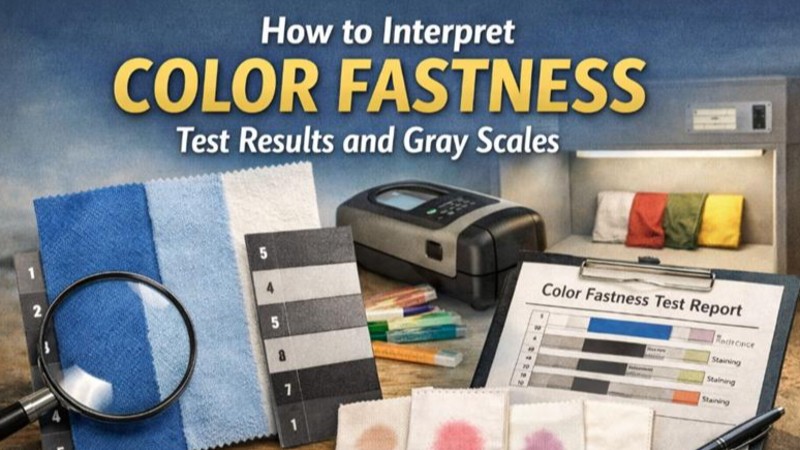
Understanding a color fastness rating is crucial for anyone involved in textiles, from quality managers to designers. A single number on a test report determines if a fabric will bleed, fade, or stain, directly impacting product quality and customer satisfaction. This guide will walk you through interpreting these results and using the gray scale correctly.
What is Color Fastness and Why Does the Rating Matter?
Color fastness measures a dye's resistance to fading or transferring from its fabric under various conditions. A reliable color fastness rating is non-negotiable. It protects brand reputation, ensures consumer safety, and prevents costly returns due to color-related failures.
The Core Purpose of Color Fastness Testing
Tests simulate real-world stresses like washing, rubbing, light exposure, and perspiration. They don't just check if color stays put; they predict how a garment will perform throughout its lifecycle, providing a data-driven basis for material selection.
Consequences of Poor Color Fastness
Low ratings lead to visible problems: a red shirt turning pink, dye staining other clothes in the wash, or upholstery fading in sunlight. These issues result in customer complaints, product recalls, and damage to a brand's perceived quality.
Understanding the Color Fastness Rating Scale (1-5)
The universal scale for grading is 1 to 5. It's a linear assessment where a higher number indicates superior performance. This scale applies to both color change and staining evaluations.
Grade 5 vs. Grade 1: The Two Extremes Explained
Grade 5 represents the best possible result. It means no perceptible color change or staining. Grade 1 is a failure, indicating severe change or heavy staining. Think of a Grade 1 result as an immediate rejection for most applications.
Interpreting the Middle Grades (2, 3, and 4)
These grades define the line between acceptable and unacceptable. Grade 3 is often the pivotal point. A '3' signifies a moderate, clearly noticeable change. Grades 4 and 2 represent slight and significant changes, respectively. Whether a Grade 3 is "good enough" depends entirely on the product's end-use.
How to Read the Gray Scale for Color Change
This tool objectively measures how much the original fabric color has faded or altered after testing. It consists of nine pairs of gray chips, each pair showing a progressively greater contrast.
The ISO 105-A02/A03 Standard in Practice
The ISO 105-A03 standard governs evaluation. It mandates using controlled, consistent lighting (like a daylight booth) and a specific viewing angle to minimize human error. This standardized environment is critical for accurate, repeatable assessments.
Step-by-Step Evaluation for Color Change
Place the tested specimen and an untested original side-by-side. Lay the gray scale adjacent. Under standard lighting, compare the contrast between the two fabric samples to the contrast of the gray scale pairs. The grade is where the contrasts appear equal.
How to Read the Gray Scale for Staining
This evaluation is separate. It assesses how much dye has transferred from the test fabric onto an adjacent white multifiber or cotton fabric during the test.
The Staining Test Methodology
In tests like wash or rub fastness, the test fabric is in contact with a white fabric. After the test, the degree of dye transfer onto that white fabric is measured using the staining gray scale.
Step-by-Step Evaluation for Staining
Place the stained white fabric next to the gray scale. You are now comparing the stained fabric to the lighter, top chip of each gray scale pair. Match the intensity of the stain to the lightness difference shown on the scale. A higher grade means less visible staining.
What is a Good Color Fastness Score? Industry Benchmarks
A "good" score is one that meets or exceeds the requirements for the product's intended use. Benchmarks vary across the industry.
Minimum Requirements for Apparel & Home Textiles
For everyday apparel, a wash fastness rating of 3-4 is typically the minimum acceptable standard. For items like dark denim that may be washed separately, a lower score on staining might be tolerated if color change is excellent.
When Higher Ratings are Non-Negotiable
Some applications demand near-perfect scores. Athletic wear requires high perspiration fastness (4-5). Upholstery for sunny rooms needs excellent light fastness. Commercial uniforms subjected to industrial laundering need top wash and rub fastness grades.
Common Pitfalls in Interpreting Test Results
Even with the right tools, errors in judgment can occur. Being aware of these pitfalls improves accuracy.
Lighting and Observer Variability
Evaluating under office lighting or near a window introduces massive variability. Consistent, standardized light is essential. Furthermore, individual color perception differs, which is why critical assessments often use multiple trained observers.
Misunderstanding the "Gray" in Gray Scale
A common confusion is thinking the fabric should match a gray color. The scale measures *difference in contrast or color*. You are always comparing the contrast between two things: either two fabrics (for change) or a stain against white (for staining).
Putting It All Together: A Systematic Approach to Evaluation
Interpreting a color fastness rating consistently requires a methodical process. Follow this checklist for any report: First, identify what was tested (e.g., wash, light, rub). Second, note the two key results: the grade for color change and the grade for staining. Third, evaluate each against the relevant gray scale under proper lighting. Finally, compare those grades to your product's specific compliance benchmarks. This disciplined approach turns a cryptic test report into a clear quality decision.
FAQ: Your Color Fastness Rating Questions Answered
What is the difference between the gray scale for color change and the gray scale for staining?
They measure different things. The color change scale grades how much the original fabric fades. The staining scale grades how much dye transfers to other fabric. They are used separately and have different physical scales.
Is a color fastness rating of 3 good enough?
It depends on the product. For some basic garments, a 3 may be the minimum pass. For high-performance or luxury items, a 3 is often considered insufficient. Always check against your specific product standards.
Are there different gray scales for different tests (wash vs. light fastness)?
The gray scales for visual assessment of change and staining are standardized (ISO 105-A02/A03) and used across many test types. However, the *test methods* (like ISO 105-C06 for washing) are different and specify how to conduct the test before evaluation.
Can I perform a basic color fastness evaluation without professional equipment?
You can do a rough check (e.g., rubbing fabric with a white cloth), but for a reliable color fastness rating, controlled lab conditions, standardized gray scales, and proper lighting are essential to get consistent, accurate results.