Anti Pill Fleece Fabric: A Guide to Durability and Quality
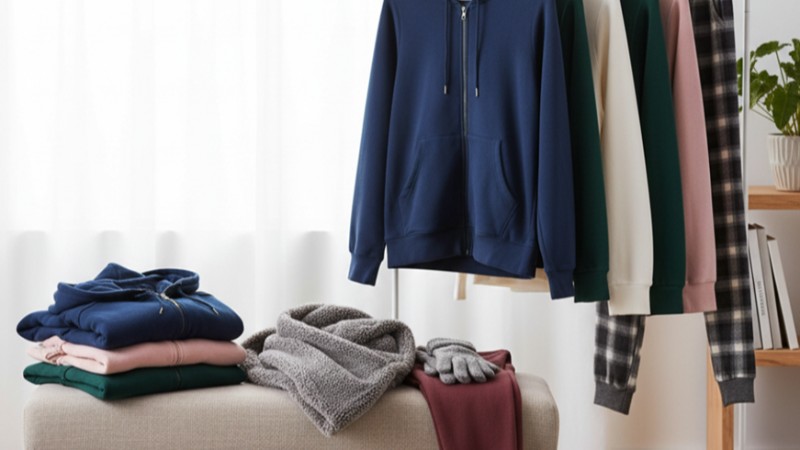
Choosing the right fleece can be the difference between a garment that lasts for years and one that looks worn after a few washes. The key factor? Pilling resistance. This guide dives into anti pill fleece fabric, explaining how it's made, why it outperforms standard fleece, and how to select the best quality for your projects.
Understanding Fleece Fabric and the Pilling Problem
To appreciate the innovation of anti-pill fleece, you first need to understand the material itself and its most common flaw.
What is Fleece?
Fleece is a synthetic fabric, typically made from polyester. It's created by knitting polyester yarn into a fabric, which is then brushed to raise soft fibers, creating its signature plush, insulating texture. Known for being lightweight, warm, and moisture-wicking, it's a staple in activewear, jackets, and blankets.
Why Does Fleece Pill?
Pilling is the formation of small, tangled balls of fiber on the fabric's surface. It happens when short, loose fibers break free from the yarn due to friction—from wearing, washing, or drying. These fibers then knot together into unsightly pills. All fleece will pill to some degree, but the rate and severity depend heavily on the quality of the fibers and the manufacturing process.
Anti Pill Fleece Fabric Explained
So, what makes anti pill fleece fabric different? It's all in the construction, designed from the ground up to combat the pilling process.
How is Anti-Pill Fleece Made? The Manufacturing Difference
Manufacturers use several techniques to enhance fleece fabric durability. First, they use longer, stronger polyester fibers that are tightly spun into yarn, making them less likely to break. Second, the brushing process is more controlled, creating a dense, smooth pile without weakening the fabric. Sometimes, a light chemical treatment is applied to further bind fibers and reduce fuzz.
Key Benefits of Choosing Anti-Pill Fleece
Long-Lasting Appearance: Garments and blankets maintain a "like-new" look far longer.
Consistent Softness: The dense pile stays plush without becoming rough or matted.
Sustained Insulation: A intact surface traps heat more effectively over time.
Better Value: Higher upfront cost is offset by a significantly longer lifespan.
Anti-Pill vs. Non-Pill Fleece: Is There a Difference?
Shopping labels can be confusing. Let's clarify the terminology you'll see.
Decoding the Labels: Marketing Terms vs. Technical Reality
In practical terms, "anti-pill fleece" and "non-pill fleece fabric" are used interchangeably in the market. Both indicate a fleece that has been treated or constructed to resist pilling. "Anti pill polar fleece" simply refers to this treated version of the classic, thick polar fleece. It's more important to focus on the quality indicators than the specific phrasing.
Side-by-Side: How Anti-Pill Fleece Outperforms Standard Fleece
| Feature | Anti-Pill Fleece | Standard Fleece |
|---|---|---|
| Pilling Resistance | Very High | Low to Moderate |
| Fleece Fabric Quality | Longer fibers, tighter weave, denser pile | Shorter fibers, looser construction |
| Longevity & Appearance | Remains smooth and new-looking for years | Shows wear and pills quickly |
| Typical Cost | Higher initial investment | Lower initial cost |
How to Identify and Choose High-Quality Fleece
Don't just rely on the tag. Use these tips to assess fleece fabric quality yourself.
What to Look for on the Label and in the Hand
First, check for "anti-pill" terminology. Then, look at the weight, measured in grams per square meter (GSM). Heavier weights (e.g., 300+ GSM) often indicate a denser, more durable fabric, especially in anti pill polar fleece. Finally, feel it. High-quality fleece should feel substantial, smooth, and densely brushed without shedding excessively.
Best Uses for Anti-Pill Fleece vs. Standard Fleece
Choose anti pilling fleece for high-friction, high-use items: daily-wear jackets, activewear, children's clothing, pet beds, and blankets meant for regular use. Standard fleece is suitable for low-impact projects like decorative throws, craft projects, or linings where longevity is less critical.
Caring for Your Fleece to Maximize Its Lifespan
Proper care protects your investment and keeps any fleece looking its best.
Washing and Drying Best Practices
Turn garments inside out. Wash in cold water on a gentle cycle with a mild detergent. Avoid fabric softener, as it can coat fibers and reduce moisture-wicking ability. Tumble dry on low heat, and remove promptly to minimize wrinkles and static.
How to Safely Remove Pills (If They Appear)
Even the best anti pill fleece fabric may develop a minor pill over many years. Use a fabric shaver or a fine-tooth comb designed for pilling. Work gently in one direction to avoid damaging the fabric's surface. With anti-pill fleece, this should be a rare maintenance task, not a regular chore.
Final Words
For any application where appearance, performance, and longevity matter, anti pill fleece fabric is the clear winner. While it costs more initially, its resistance to pilling ensures your garments and projects retain their comfort, warmth, and look through countless wears and washes. It’s a smart investment in quality that pays off in the long run.
FAQ: Your Anti-Pill Fleece Fabric Questions Answered
Is anti-pill fleece the same as non-pill fleece?
Yes, for all practical purposes. Both terms are used in the textile industry to describe fleece that is specially constructed to resist the formation of pills.
Does anti-pill fleece eventually pill?
It is highly resistant, not immune. With extreme, prolonged use and abrasion, some minimal pilling may eventually occur, but it will be significantly less and take much longer compared to standard fleece.
Is anti-pill fleece less soft than regular fleece?
Not necessarily. High-quality anti-pill fleece uses finer, longer fibers to achieve both durability and softness. It may feel slightly denser or smoother to the touch rather than the fluffy, sometimes fuzzier feel of low-grade standard fleece.
Can you make regular fleece anti-pill?
No. The anti-pill property is built into the fabric during manufacturing through fiber selection, spinning, and brushing. You cannot treat a finished garment made from standard fleece to become truly anti-pill.
Is heavier fleece always anti-pill?
No. Weight (GSM) indicates thickness and warmth, not pilling resistance. A heavy fleece can still pill if made with short, low-quality fibers. Always look for the "anti-pill" specification alongside the weight.