How adidas CLIMACOOL+ Uses 3D Textile Structures to Improve Cooling Fabrics
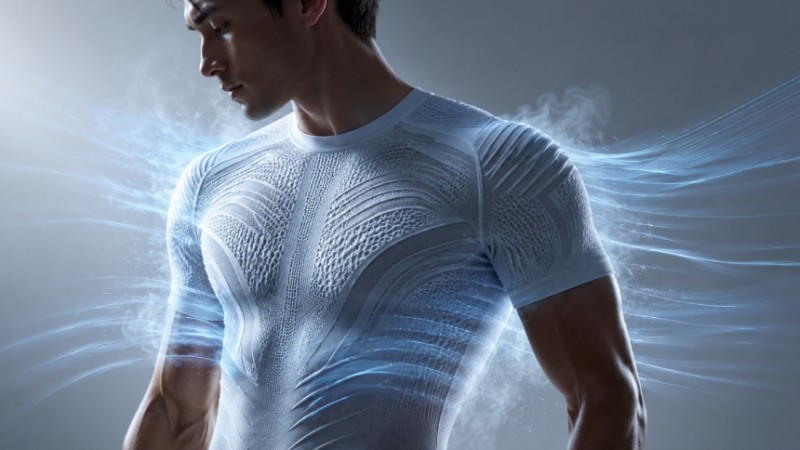
As global temperatures rise and athletes face increasingly demanding competition environments, sportswear brands are moving beyond traditional moisture management toward more advanced cooling and thermal comfort solutions.
In June 2026, adidas introduced CLIMACOOL+, a new cooling fabric innovation designed to help athletes stay cool, dry, and comfortable during high-intensity sports. Unlike conventional performance fabrics that mainly rely on fiber properties or moisture-wicking finishes, CLIMACOOL+ uses a 3D engineered textile structure to improve airflow between the body and the garment.
The launch reflects a broader shift in sportswear material development. Cooling performance is no longer achieved only through new fibers, but increasingly through fabric architecture, surface engineering, and body-specific textile construction.
How Does adidas CLIMACOOL+ Improve Cooling Performance?
The core innovation behind adidas CLIMACOOL+ is its 3D body-mapped embossed fabric construction.
Instead of using a traditional flat fabric surface, adidas developed raised textile structures that create a small physical space between the skin and the garment. This structure allows air to circulate more effectively, helping support heat release and sweat evaporation during movement.
The technology was developed through:
· athlete insights
· physiological testing
· sport-specific performance analysis
· climate chamber testing
The 3D structures are strategically positioned in areas where athletes typically experience higher heat and sweat accumulation, including:
✔️chest
✔️upper abdomen
✔️shoulders
✔️upper back
By improving airflow in these high-heat zones, CLIMACOOL+ aims to reduce heat buildup and the uncomfortable feeling of fabric sticking to the skin during intense activity.
Unlike traditional cooling fabrics that mainly depend on moisture-wicking fibers or chemical finishes, CLIMACOOL+ uses the physical structure of the textile itself as part of the cooling system.
The performance comes from the interaction between:
· yarn selection
· knitting technology
· fabric structure
· garment design
This approach shows how modern sportswear is moving from simply selecting better materials toward engineering complete textile systems.
Why Is adidas CLIMACOOL+ Important for the Future of Cooling Fabrics?
For years, sportswear innovation focused mainly on fiber-level improvements.
Brands developed:
· moisture-wicking polyester for faster drying
· nylon blends for durability and stretch
· synthetic fibers for lightweight performance
These materials remain important, but fiber chemistry alone cannot fully control how heat, airflow, and moisture move between the body and clothing.
This limitation has pushed the industry toward structure-driven textile innovation.
Instead of asking only:
“Which fiber can provide better cooling?”
Brands are increasingly asking:
“How can the entire fabric system manage heat, airflow, and moisture?”
This shift is driving the development of:
· 3D textile structures
· advanced knitting techniques
· targeted ventilation zones
· body-mapped fabric designs
adidas CLIMACOOL+ represents this transition by showing how fabric architecture can become a performance tool.
The future of performance apparel fabrics will likely combine material science with intelligent construction, creating textiles that provide:
✔️cooling performance
✔️moisture management
✔️lightweight comfort
✔️mobility
✔️improved thermal regulation
For the textile industry, CLIMACOOL+ demonstrates that the next generation of cooling fabrics may not come only from new materials. Instead, innovation will come from smarter ways of designing the relationship between:
fiber, yarn, fabric structure, garment construction, and human physiology.
As climate conditions continue to influence sports and outdoor activities, structure-based cooling technologies could become an increasingly important direction for future apparel development.