Viscose vs Lyocell vs Modal: Which Regenerated Fiber Performs Best?

Viscose vs lyocell is a common comparison when evaluating regenerated cellulose fibers for apparel and home textiles. Modal is often included in the discussion because it shares a similar origin but offers different performance characteristics. This article provides a clear, technical comparison of viscose, lyocell, and modal to help designers, sourcing teams, and product managers select the most suitable fiber based on performance, drape, moisture management, and sustainability.
What Are Regenerated Cellulose Fibers?
Regenerated cellulose fiber is made by dissolving natural cellulose—typically from wood pulp—and reforming it into fibers. Unlike fully synthetic fibers, these materials are plant-based in origin but chemically processed.
Common regenerated fibers include:
• Viscose (also called rayon)
• Lyocell
• Modal
Although they share the same cellulose base, their manufacturing processes lead to significant differences in performance and environmental impact.
Viscose Fiber: Characteristics and Limitations
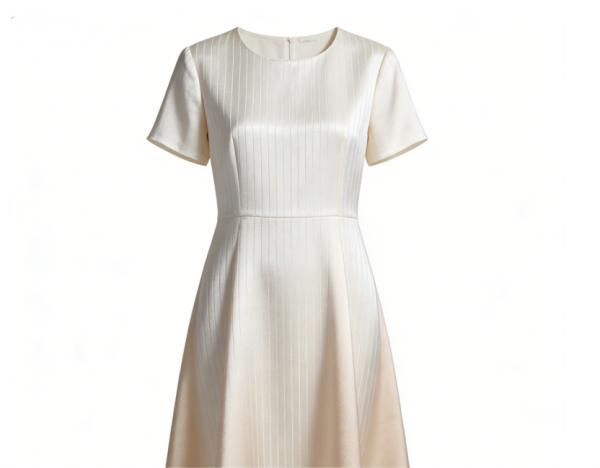
Viscose is the earliest and most widely used regenerated cellulose fiber.
Key Properties of Viscose
• Soft hand feel similar to cotton
• Good drape, ideal for flowing garments
• High moisture absorption, improving comfort in warm conditions
• Cost-effective, widely available
Limitations of Viscose
• Lower wet strength
• Prone to shrinkage and deformation
• Conventional production can involve higher chemical discharge
According to guidance from the Textile Exchange, viscose sourcing and production methods play a critical role in determining its overall sustainability profile.
Lyocell Fiber: Performance and Sustainability
Lyocell is considered a next-generation regenerated cellulose fiber due to its closed-loop manufacturing process.
Key Properties of Lyocell
• Excellent moisture management with fast absorption and release
• High fiber strength, even when wet
• Smooth surface, reducing skin irritation
• Consistent quality and durability
Sustainability Advantages
Lyocell is produced using a solvent recycling system that can recover over 99% of processing chemicals. This makes it one of the most environmentally responsible regenerated fibers available today.
Industry leaders such as Lenzing have helped establish lyocell as a benchmark for sustainable fiber production through transparent sourcing and certification systems.
Modal Fiber: Where Does It Fit?
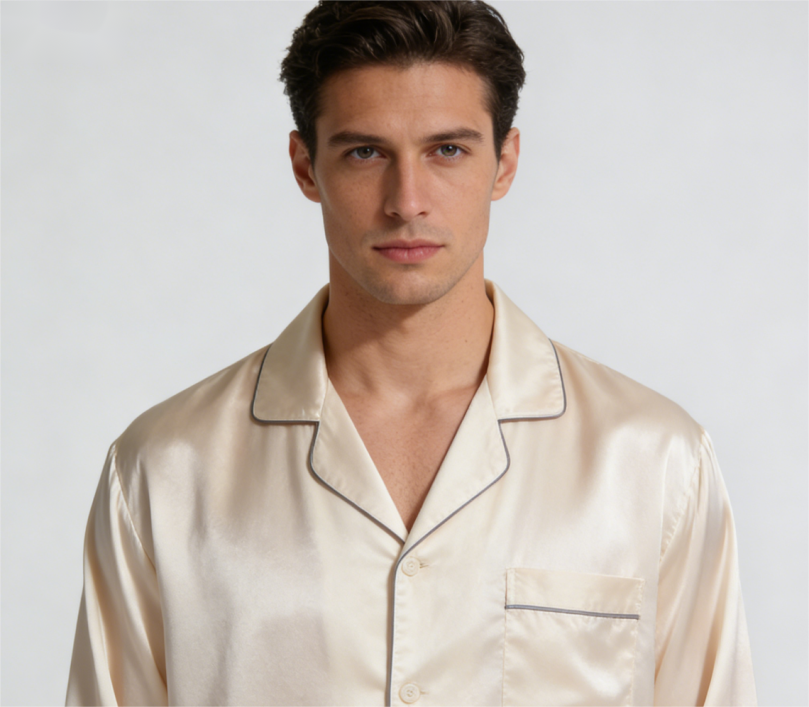
Modal is a modified form of viscose designed to improve softness and strength.
Key Properties of Modal
• Exceptional softness, often used in intimate apparel
• Better wet strength than standard viscose
• High color retention after repeated washing
• Fluid drape, suitable for lightweight knits and blends
Typical Applications
Modal is commonly blended with cotton or elastane to enhance comfort, fit, and drape in apparel.
Viscose vs Lyocell vs Modal: Technical Comparison
Property | Viscose | Lyocell | Modal |
Fiber type | Regenerated cellulose | Regenerated cellulose | Modified viscose |
Moisture management | High absorption, slow drying | Balanced absorption & release | High absorption |
Fiber strength (wet) | Low | High | Medium |
Drape | Very good | Good | Excellent |
Durability | Moderate | High | Medium to high |
Sustainability potential | Variable | High | Medium |
Typical cost | Low | Medium to high | Medium |
Moisture Management and Comfort in Apparel
When comparing modal vs lyocell and viscose, moisture behavior is a key differentiator.
• Lyocell provides the best balance between moisture absorption and release, making it suitable for active and warm-weather apparel.
• Modal excels in softness and comfort for next-to-skin garments.
• Viscose offers breathability but may feel heavy when wet.
Sustainability Considerations for Regenerated Fibers
Sustainability depends on:
• Wood pulp sourcing
• Chemical management
• Wastewater treatment
Certification systems such as FSC® and PEFC™ (commonly referenced by international fiber standards bodies) are increasingly used to verify responsible forestry and production practices. Understanding these systems is essential when evaluating regenerated cellulose fiber claims.
Decision Guide: Which Fiber Should You Choose?
Choose Viscose When:
✅ Cost sensitivity is a primary concern
✅ Softness and drape are more important than durability
✅ The application is low-stress fashion apparel
Choose Lyocell When:
✅ Sustainability and traceability are critical
✅ High durability and moisture management are required
✅ The product targets premium or performance-oriented markets
Choose Modal When:
✅ Ultra-soft hand feel is the priority
✅ The fabric will be used in intimate wear or lightweight knits
✅ A balance between comfort and strength is needed
Material selection guidance from experienced textile suppliers can help align regenerated fiber choice with specific apparel or home textile performance requirements.
There is no single “best” option among viscose, lyocell, and modal. Viscose vs lyocell often comes down to cost versus performance and sustainability, while modal fills a niche where softness and drape are paramount. By understanding the structural and processing differences between these regenerated cellulose fibers, textile professionals can make informed, application-driven material decisions.