A Guide to T-Shirt Fabric Types and Properties
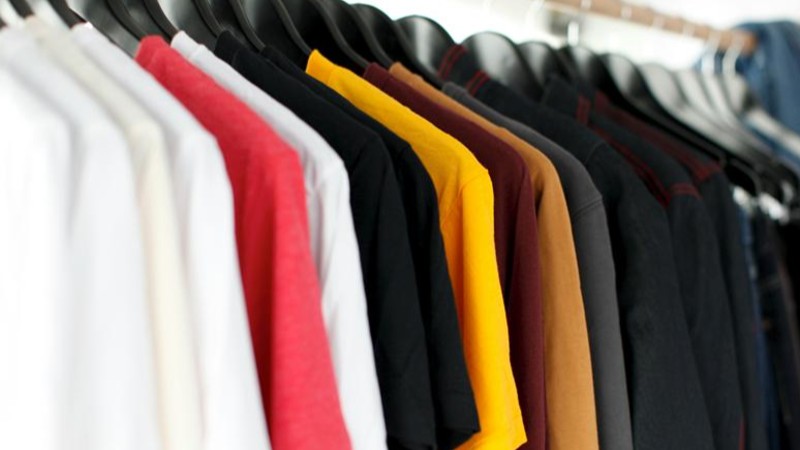
Ever wonder why one t-shirt feels like a dream while another is a scratchy disappointment? The secret is in the fabric. Understanding the different types of t-shirt fabric is the key to finding tees that are comfortable, durable, and perfect for your lifestyle. This guide breaks down everything you need to know.
Why Your T-Shirt Fabric Choice Matters
Your t-shirt's fabric isn't just about feel; it's the foundation of its performance. The right material can keep you cool, withstand countless washes, and look great for years. The wrong one can leave you uncomfortable and shopping for a replacement far too soon.
Comfort, Durability, and Performance: The Fabric Trifecta
Fabric directly controls breathability, softness, and shrinkage. A breathable cotton keeps you cool on a summer day, while a moisture-wicking synthetic pulls sweat away during a workout. Durability determines if your favorite graphic tee survives the laundry, and performance features like stretch or odor resistance add another layer of functionality.
Matching Fabric to Your Needs and Lifestyle
Think about your day. Lounging at home calls for supreme softness. A long commute might need a fabric that resists wrinkles. For the gym, you'll want something that manages moisture. There's no single "best" fabric—only the best one for what you're doing.
The Most Common T-Shirt Fabrics Explained
So, what are t shirts made of? Let's explore the most common t-shirt fabrics you'll encounter, from timeless classics to modern blends.
100% Cotton: The Classic Comfort King
Cotton is the gold standard for a reason. It's a natural fiber that's incredibly breathable and soft against the skin. Common weaves like jersey (smooth) and pique (textured) offer different looks. The trade-off? Pure cotton can shrink noticeably and tends to wrinkle more than synthetic blends.
Polyester & Polyester Blends: The Performance Powerhouse
Polyester is a synthetic workhorse. It's highly durable, resists shrinking and wrinkles, and excels at wicking moisture away from the body. On its own, it can feel less breathable than cotton, which is why it's often blended to add performance benefits to other materials.
Cotton-Polyester Blends: The Best of Both Worlds?
This is perhaps the most popular blend for everyday tees. By mixing cotton and polyester, you get the soft, breathable feel of cotton with the durability, shrink-resistance, and easy care of polyester. A typical 60% cotton / 40% polyester blend is a reliable, versatile choice.
Rayon (Viscose): The Silky, Draping Alternative
Rayon, made from processed plant cellulose, has a luxuriously smooth and drapey feel. It's breathable and often has a slight sheen. However, it can be delicate, may shrink if not cared for properly, and often requires gentle washing and air drying.
Tri-Blends: The Premium Feel for Modern Tees
Tri-blends typically mix cotton, polyester, and rayon. This combination creates a t-shirt that's ultra-soft right out of the package, with a lightweight, "weathered" feel and excellent drape. They offer a balance of comfort, durability, and a distinctive aesthetic.
Comparing Key T-Shirt Materials: Cotton vs. Polyester vs. Rayon
Let's directly address the common cotton vs polyester vs rayon question. Here’s a quick comparison to help you decide.
Side-by-Side: Comfort, Care, Durability, and Use Cases
| Fabric | Comfort & Feel | Care & Durability | Best For |
|---|---|---|---|
| Cotton | Soft, breathable, natural. | Can shrink/wrinkle; ages softly. | Everyday casual wear, hot weather, sensitive skin. |
| Polyester | Smooth, less breathable, moisture-wicking. | Wrinkle/shrink resistant; very durable. | Workouts, travel, printed graphics, uniforms. |
| Rayon | Silky, drapey, cool. | Delicate; often requires gentle care. | Fashion-forward tees, drapey fits, loungewear. |
Beyond the Basics: Other T-Shirt Fabrics to Know
While cotton, polyester, and rayon dominate, other materials offer unique benefits worth understanding.
Linen: For Ultimate Breathability
Linen, made from flax, is exceptionally cool and breathable, perfect for scorching days. It has a distinctive, slightly textured look but wrinkles very easily, which is part of its relaxed charm.
Hemp: The Eco-Conscious, Durable Choice
Hemp is a strong, sustainable natural fiber. It's highly durable, gets softer with each wash, and offers great breathability. It's a fantastic choice for those prioritizing environmental impact.
Performance Synthetics: For High-Intensity Activity
For serious athletics, fabrics like specialized nylon or advanced polyester blends are engineered for maximum moisture-wicking, quick drying, and stretch. They're the go-to for technical activewear.
How to Choose the Right T-Shirt Fabric: A Practical Guide
This t-shirt fabric guide for beginners turns information into action. Use this simple framework on your next shopping trip.
Prioritizing Your Needs: Comfort, Activity, and Care
Ask yourself: What's most important? For all-day softness, lean into cotton or tri-blends. For sweat and the gym, polyester blends win. If you hate ironing, look for polyester content or fabrics like rayon that are meant to be air-dried.
Understanding Fabric Weight and GSM
Weight, measured in grams per square meter (GSM), affects thickness. Lightweight (130-180 GSM) is airy for summer. Mid-weight (180-220 GSM) is the standard, versatile choice. Heavyweight (220+ GSM) feels substantial and is great for cooler weather or a structured look.
Decoding Fabric Blends on the Label
Always check the care label. A tag that says "50% cotton, 50% polyester" tells you exactly what you're getting. Use this guide to interpret those numbers—higher cotton for softness, higher polyester for durability and easy care.
Final Thoughts on Selecting Your Ideal T-Shirt Fabric
The journey through different t-shirt materials shows there's no universal winner. The best types of t-shirt fabric for you depend entirely on how you live, what you value in comfort, and how much effort you want to put into care. Armed with this knowledge, you can move beyond guesswork and confidently choose tees that you'll love to wear, season after season.
FAQ: Common Questions About Types of T-Shirt Fabric
1.What is the softest t-shirt fabric?
For immediate softness, tri-blends (cotton-poly-rayon) are hard to beat. High-quality, combed cotton also becomes incredibly soft after a few washes.
2.Which t-shirt fabric is best for sweating or the gym?
Polyester or polyester-rich blends are best. They wick moisture away from your skin to the fabric's surface where it can evaporate, keeping you drier than cotton, which absorbs and holds sweat.
3.What t-shirt fabric shrinks the least?
100% polyester is virtually shrink-proof. Cotton-polyester blends are also very resistant to shrinkage, especially compared to 100% cotton or rayon.
4.Is a 100% cotton or a cotton-polyester blend better?
It depends. 100% cotton is more breathable and natural-feeling. A blend is more durable, shrink-resistant, and easier to care for. For an everyday basic, a blend often offers the best practical balance.
5.What does "tri-blend" mean for a t-shirt?
A tri-blend t-shirt is made from a fabric that combines three fibers, usually cotton, polyester, and rayon. This creates a very soft, lightweight tee with a slightly vintage, drapey feel that's comfortable and durable.