Types of Bamboo Fabric: A Guide to Rayon, Lyocell, and Blends
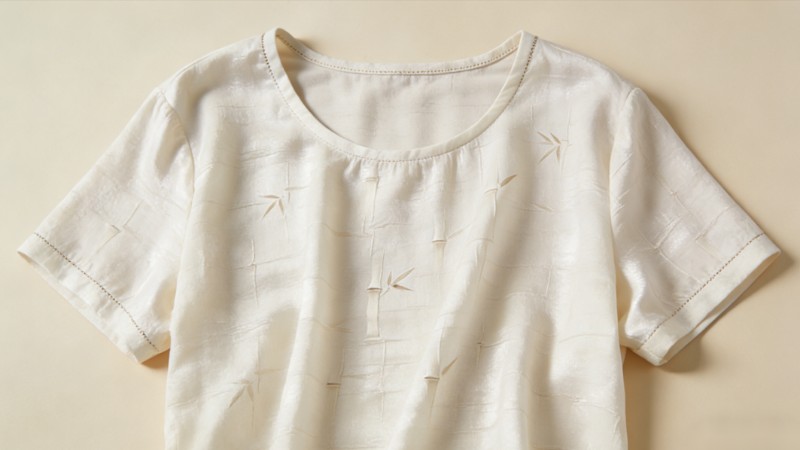
Bamboo shows up on clothing tags and bedding labels, touting softness and eco-friendliness—yet that single word hides several distinct fabrics. Understanding the different types of bamboo fabric is key to making informed choices about what you buy and wear.
From common bamboo viscose to premium lyocell, each has a unique story. Let's unravel the differences so you can shop with confidence.
What is Bamboo Fabric? The Core Concept Explained
Bamboo fabric isn't a single textile. It's a category for materials made from the pulp of the bamboo plant. The journey from sturdy grass to soft fiber can take two very different paths, resulting in fabrics with wildly different properties and environmental impacts.
From Plant to Fiber: The Two Main Production Methods
The first method is mechanical. Bamboo stalks are crushed and natural enzymes break them down into a mushy mass, which is then combed and spun into yarn. This creates bamboo linen, a rare but truly natural fabric.
The second, far more common method is chemical. Bamboo pulp is dissolved using solvents to create a cellulose solution, which is then extruded into fibers. This is how bamboo viscose (rayon), lyocell, and modal are made. The type of solvent and process defines the final fabric.
Why the Confusion? "Bamboo" as a Marketing Term
Because bamboo is a fast-growing, renewable plant, it's often marketed as inherently "green." However, the chemical processing for most bamboo fabrics can involve harsh chemicals if not managed responsibly. The eco-credibility depends entirely on the specific type and manufacturer's practices. Looking beyond the "bamboo" label is essential.
Bamboo Viscose (Rayon): The Most Common Type
When you find a silky-soft bamboo t-shirt or bedsheet at an affordable price, it's likely bamboo viscose. This fabric makes up the bulk of what's sold as bamboo textile.
How It's Made: The Viscose Process
Bamboo pulp is soaked in sodium hydroxide and carbon disulfide to create a viscous honey-like solution. This solution is forced through a spinneret into an acid bath, where it solidifies into fine filaments. These are then spun into yarn.
Pros, Cons, and Typical Uses
Bamboo viscose is loved for its incredible drape, breathability, and soft, often lustrous feel. It's highly absorbent and works well for flowy garments, casual wear, and bedding.
On the downside, it can be less durable, especially when wet, and may wrinkle easily. The environmental impact varies widely; traditional viscose production doesn't always recover the chemicals used.
Bamboo Lyocell: The Eco-Conscious Alternative
Bamboo lyocell represents a more modern, sustainable approach. Often branded as TENCEL™ Lyocell made from bamboo, it uses a cleaner closed-loop process.
The Closed-Loop Lyocell (TENCEL™) Process
Instead of carbon disulfide, lyocell uses a non-toxic solvent called N-Methylmorpholine N-oxide (NMMO). This solvent is recycled and reused in the process with a recovery rate of over 99%, drastically reducing waste and chemical emissions.
Performance and Characteristics
Lyocell fibers are stronger, both dry and wet, than viscose. The fabric is exceptionally smooth, resistant to wrinkles, and has excellent moisture-wicking properties. It's also fully biodegradable. You'll find it in higher-end activewear, premium bedding, and durable basics.
Bamboo Lyocell vs. Bamboo Viscose: A Direct Comparison
Choosing between them often comes down to priorities. Here’s a quick breakdown.
Sustainability and Environmental Impact
Lyocell wins here. Its closed-loop process is a clear leader in sustainable manufacturing. Conventional viscose production has a higher potential environmental footprint, though some manufacturers are adopting better practices.
Fabric Feel, Durability, and Care
Both are soft, but lyocell feels more refined and is notably stronger. A lyocell garment will hold its shape better over time and withstand washing more robustly. Viscose requires more gentle care and may pill or wear faster.
Other Notable Bamboo Fabric Types and Blends
The world of bamboo textiles extends beyond the two main players.
Bamboo Modal: The Middle Ground
Bamboo modal is another type of rayon, but it's made using a slightly modified process that results in longer, more resilient fibers. It's stronger and more shrink-resistant than standard viscose, offering a silky feel with better longevity.
What is Bamboo Linen?
This is the fabric made through the mechanical process. Bamboo linen has a textured, crisp hand-feel similar to traditional flax linen. It's the most breathable and eco-friendly option from a processing standpoint, but it's less common and often more expensive.
Bamboo Cotton Blend Fabric
This popular blend marries the best of both worlds. The bamboo component adds softness, breathability, and a slight drape, while the cotton provides structure, durability, and easier care. It's a fantastic choice for everyday t-shirts, towels, and sheets that need to be both comfortable and hard-wearing.
How to Choose the Right Bamboo Fabric for You
Your perfect bamboo fabric depends on what you value most.
Prioritizing Sustainability: What to Look For
Seek out "lyocell" on the label. Look for certifications like OEKO-TEX® (for harmful substance testing) or FSC® (for sustainably sourced wood pulp). Brands using closed-loop processes will usually advertise it.
Matching Fabric to Project or Product
For premium activewear or lasting basics: Choose bamboo lyocell.
for drapey blouses or affordable bedding: Bamboo viscose works well.
For everyday comfort and easy care: A bamboo cotton blend is ideal.
For unique, textured home goods: Seek out bamboo linen.
Final Thoughts on Navigating Bamboo Fabrics
The key takeaway is that not all bamboo fabric is created equal. The benefits you get—whether softness, strength, or eco-credentials—are directly tied to the manufacturing process. By learning to identify terms like viscose, lyocell, and modal on a label, you move beyond marketing and make choices that align with your values. The next time you shop, you'll know exactly which type of bamboo fabric you're bringing home.
FAQ: Common Questions About Types of Bamboo Fabric
Is bamboo viscose the same as bamboo rayon?
Yes. "Viscose" is the most common type of rayon. So bamboo viscose and bamboo rayon typically refer to the same fabric made through the traditional chemical process.
Which is more eco-friendly, bamboo lyocell or bamboo cotton?
It's complex. Bamboo lyocell from a closed-loop process has a very low impact. Organic cotton uses less water than conventional but requires large amounts of land. Lyocell often has the edge in chemical management and resource efficiency.
Does bamboo fabric shrink or wrinkle easily?
Bamboo viscose can shrink and wrinkle if not cared for gently (cold wash, lay flat to dry). Bamboo lyocell is more dimensionally stable and wrinkle-resistant. Blends with cotton also minimize shrinkage.
Is bamboo fabric good for sensitive skin or allergies?
Bamboo fibers are naturally smooth and hypoallergenic, making them gentle for sensitive skin. For the safest bet, choose fabrics with an OEKO-TEX certification, which ensures no harmful chemical residues.
Why is bamboo lyocell often more expensive than bamboo viscose?
The closed-loop lyocell process requires advanced technology to recycle solvents, which adds cost. The resulting fabric is also stronger and more durable, justifying a higher price point for quality and sustainability.