What Is Tencel Fabric? A Guide to the Sustainable Fiber
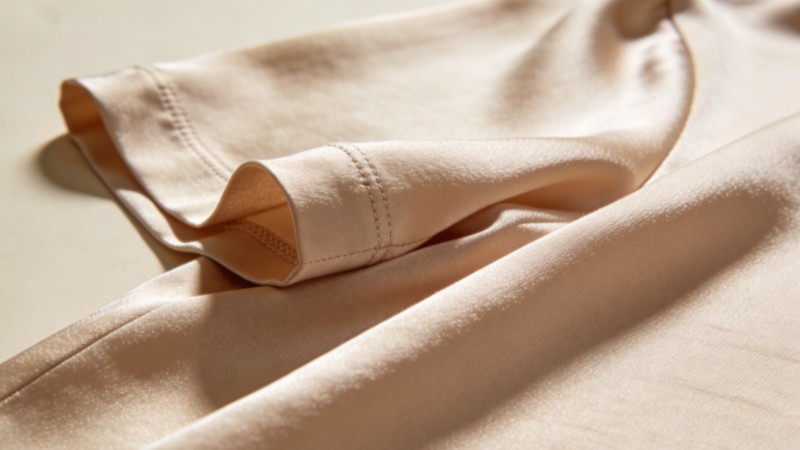
In a world seeking sustainable alternatives, Tencel fabric has emerged as a frontrunner. This innovative material promises the comfort we love with a significantly lighter environmental footprint. But what exactly is it, and how does it truly compare to the fabrics in your closet right now?
This guide breaks down everything you need to know about Tencel, from its unique production process to its standout properties and practical uses.
Tencel Fabric Explained: From Tree to Textile
Understanding Tencel starts with recognizing its origins and the groundbreaking process that creates it.
What Is Tencel? The Basics of a Branded Fiber
Tencel is the brand name for a specific type of lyocell fiber. Think of it like how "Kleenex" is a brand for facial tissues. The fiber itself is made from the wood pulp of sustainably sourced trees, typically eucalyptus, beech, or spruce. This natural origin is the first clue to its eco-friendly profile and breathable, silky feel.
The Closed-Loop Lyocell Process: How Tencel Is Made
This is where Tencel truly sets itself apart. The wood pulp is dissolved using a non-toxic, organic solvent in a method called solvent spinning. Over 99% of this solvent is recovered and reused in a closed-loop system. This process uses less water and energy than conventional cotton processing and avoids the harmful chemical waste associated with similar fabrics like viscose rayon.
Key Tencel Fabric Properties and Benefits
The unique manufacturing of Tencel lyocell fabric translates into a powerful combination of benefits for both the wearer and the planet.
Unmatched Softness, Breathability, and Moisture Management
Tencel is renowned for its incredibly smooth, silky handfeel that often gets softer with each wash. Its fibers are highly breathable, helping to regulate body temperature. Most impressively, Tencel absorbs moisture more efficiently than cotton, wicking it away from the skin to keep you feeling dry and comfortable.
Strength, Durability, and Wrinkle Resistance
Don't let the softness fool you. Tencel fabric properties include high tensile strength, even when wet, making garments durable and long-lasting. The fibers also have a natural smoothness that lends itself to a graceful drape and inherent resistance to wrinkling.
Hypoallergenic and Biodegradable: The Sustainability Edge
Because it's made from pure cellulose and processed with non-toxic solvents, Tencel is gentle on sensitive skin. Furthermore, as a natural fiber, it is fully biodegradable and compostable under industrial, home, soil, and marine conditions, completing a responsible lifecycle.
How Tencel Differs from Other Common Fabrics
To appreciate Tencel's value, it helps to see it in direct comparison.
Tencel vs. Cotton: Moisture, Softness, and Environmental Impact
While both are natural, Tencel absorbs moisture more effectively and feels silkier. From an environmental standpoint, Tencel's closed-loop process uses significantly less water than conventional cotton farming and requires no irrigation for its tree sources.
Tencel vs. Viscose/Rayon: A Tale of Two Wood-Based Fibers
Both start with wood pulp, but their production diverges drastically. Traditional viscose uses a toxic chemical process that releases harmful byproducts. Tencel's closed-loop lyocell process is the cleaner, more sustainable successor, making it the responsible choice in the wood-based fiber category.
Tencel vs. Synthetic Fibers (Polyester, Nylon)
Synthetics are derived from petroleum and shed microplastics. Tencel offers a natural alternative with superior breathability and moisture-wicking without the plastic pollution. While synthetics excel in pure durability for some uses, Tencel provides a high-performance, planet-friendly option for everyday wear.
Common Uses and Applications of Tencel Fabric
Thanks to its versatile properties, Tencel has found a home in many areas of our lives.
Tencel in Fashion: Apparel and Activewear
You'll find Tencel in breathable blouses, flowing dresses, comfortable t-shirts, and even denim blends. Its moisture management also makes it ideal for activewear, yoga pants, and base layers that need to stay dry.
Tencel in Home Textiles: Bedding and Towels
Luxury bedding brands use Tencel for sheets and duvet covers that feel cool and smooth against the skin. Its high absorbency also makes it an excellent material for plush, quick-drying towels and bathrobes.
Caring for Your Tencel Garments and Textiles
Proper care will extend the life and beauty of your Tencel items.
Washing and Drying Best Practices
Machine wash on a gentle cycle with cool water and a mild detergent. To prevent shrinkage, avoid high heat. Air-drying is ideal, but you can tumble dry on low if needed. Remove items promptly to minimize wrinkles.
Ironing and Storage Tips
If ironing is necessary, use a low-temperature setting. For storage, hang garments or fold them neatly to avoid deep creases. The fabric's natural wrinkle resistance usually makes heavy ironing unnecessary.
The Future of Fabric: Why Tencel Matters
Tencel represents a meaningful step forward in textile innovation. It successfully bridges the gap between high performance and environmental responsibility. As consumers and industries prioritize sustainability without sacrificing quality, Tencel fabric stands out as a proven, scalable solution. It’s more than just a material; it's a model for how we can create the things we need more thoughtfully.
FAQ: Your Tencel Fabric Questions Answered
Is Tencel fabric the same as lyocell?
Tencel is a brand name for lyocell fibers produced by the Lenzing Group. All Tencel is lyocell, but not all lyocell is branded as Tencel.
Is Tencel fabric good for sensitive skin?
Yes. Its smooth fibers and production with non-toxic solvents make it naturally hypoallergenic and gentle, reducing skin irritation.
Does Tencel fabric shrink?
It can shrink if exposed to high heat. Washing in cool water and air-drying or using a low-heat tumble dry will minimize any shrinkage.
Is Tencel warmer or cooler than cotton?
Tencel is generally cooler. Its superior moisture-wicking and breathability help regulate temperature, making it feel cooler and drier against the skin than cotton.
Can Tencel be considered a luxury fabric?
Absolutely. Its silky feel, elegant drape, durable quality, and sustainable credentials position it as a premium material in both fashion and home textiles.