Moisture Wicking Clothing for Hiking: A Complete Guide
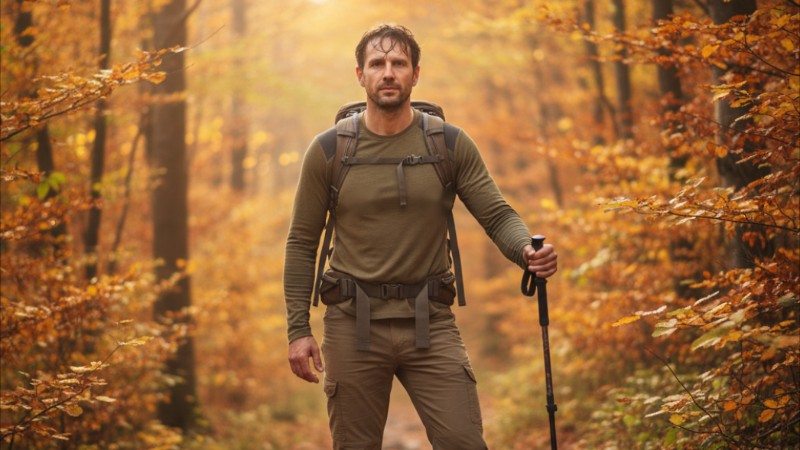
Choosing the right gear is the first step to a comfortable hike, and nothing is more critical than what you wear next to your skin. The wrong fabric can leave you damp, chilled, and miserable. The right moisture wicking clothing for hiking moves sweat away, keeps you dry, and regulates your temperature, turning a grueling trek into an enjoyable adventure.
This guide breaks down the science of wicking fabrics, how to layer them effectively, and what to look for in every piece of gear. Whether you're planning a day hike or a multi-day backpacking trip, understanding these principles is key to staying comfortable and safe.
Why Moisture Wicking Fabric is Non-Negotiable
When you're active, your body sweats to cool down. Cotton absorbs this moisture and holds it against your skin. This wet layer not only feels uncomfortable but also conducts heat away from your body 25 times faster than dry air, leading to rapid heat loss and potential hypothermia in cool conditions. Wicking fabric, typically made from polyester or nylon, uses capillary action to pull sweat from your skin to the fabric's outer surface, where it can evaporate quickly. This process keeps your skin drier, helps maintain a stable core temperature, and is the foundation of the modern layering system.
Choosing the Best Hiking Clothes to Stay Dry
Not all synthetic fabrics are created equal. Look for specific features and construction methods to ensure you're getting true performance gear.
Key Fabric Technologies and Features
Beyond the basic "polyester" label, advanced treatments and weaves enhance performance. Here’s what to look for:
Polyester or Nylon Blends: The most common, durable, and quick-drying options. Merino wool blends offer natural odor resistance.
Mesh Panels & Strategic Venting: Found in high-wear areas like underarms and backs to increase airflow.
Anti-Odor Treatments: Many fabrics now have permanent antimicrobial treatments to inhibit bacteria growth.
Flatlock Seams: These seams lie flat against the skin, a crucial detail for preventing chafing with wicking gear.
Moisture Wicking Base Layers for Men and Women
Your base layer is your second skin. Fit is paramount—it should be snug but not restrictive, allowing full freedom of movement. For cool-weather hiking, a lightweight or midweight base layer is ideal. In warmer conditions, an ultralight or sleeveless top provides core wicking without excess warmth. Remember, the best hiking clothes to stay dry start with a proper-fitting base layer that manages moisture from the very first step.
How to Layer with Wicking Fabric: The System Approach
The classic three-layer system relies entirely on wicking principles. Each layer has a distinct role, and moisture must move efficiently through all of them.
1. Base Layer: Moisture Management
As discussed, this is your primary wicking layer. It must be non-cotton.
2. Mid Layer: Insulation
This layer (like a fleece or synthetic puffy) traps warm air. It must also be made of wicking materials, as moisture from your base layer will pass through it. A damp insulation layer loses its warming ability.
3. Outer Shell: Protection
A waterproof-breathable shell shields you from wind and rain. "Breathable" is the key term here—it allows water vapor (your sweat) to escape while blocking liquid water from entering. Without a breathable shell, your effective wicking system is trapped.
For warmer hikes, your "system" might simply be a wicking base layer and a lightweight, breathable wind shirt. The principle remains: manage moisture at every stage.
What to Wear for Backpacking: Extended Trip Considerations
Multi-day trips put your gear to the ultimate test. You need durability, odor control, and versatility. Prioritize merino wool or treated synthetics for better odor management over several days. Consider a dedicated sleep base layer—a clean, dry set of wicking clothes reserved for camp. This simple practice boosts morale, aids recovery, and ensures you start the next day dry. Your packing list should focus on versatile wicking pieces that can be mixed, matched, and layered as conditions change.
Practical Tips for Comfort and Performance
Choosing the right gear is only half the battle. How you use it makes all the difference.
Start Dry, Stay Dry: Don't put on your base layer while you're already sweaty from setting up camp. Dress just before starting your activity.
Vent Early and Often: Unzip your shell or mid-layer *before* you feel overheated. This proactive venting prevents excessive sweating.
Care for Your Gear: Avoid fabric softeners and heavy detergents. They coat fibers, reducing their wicking ability. Use technical sport wash instead.
Your Next Steps on the Trail
Investing in proper moisture wicking clothing for hiking transforms your experience. It shifts your focus from battling discomfort to enjoying the scenery, the challenge, and the accomplishment. Start by auditing your current base layers, replace any cotton staples with a quality wicking alternative, and practice your layering system on shorter local hikes. You’ll quickly feel the difference a dry, comfortable body makes, mile after mile.
FAQs About Hiking with Wicking Clothing
Can I wear cotton on a short summer hike?
It's not recommended. Even on short hikes, cotton can become soaked with sweat, leading to chafing and discomfort. A lightweight wicking shirt is always a better choice for any activity level.
How do I wash my moisture wicking clothing?
Wash in cold water on a gentle cycle with a technical sport detergent. Avoid bleach and fabric softener. Tumble dry on low or hang dry to preserve the fabric's technical properties.
Is merino wool better than synthetic for base layers?
Both are excellent. Merino wool excels at odor resistance and temperature regulation, while synthetics are often more durable, faster-drying, and less expensive. The "best" choice depends on your personal priorities and the specific trip conditions.
Why do I still feel damp in my wicking shirt?
This is normal. The goal is not to feel *dry*, but to move moisture *away* to regulate temperature. If you're soaked, you may be overdressed—try venting or removing a layer to reduce sweat production.