Cotton Gabardine Fabric: A Complete Guide to Uses & Characteristics
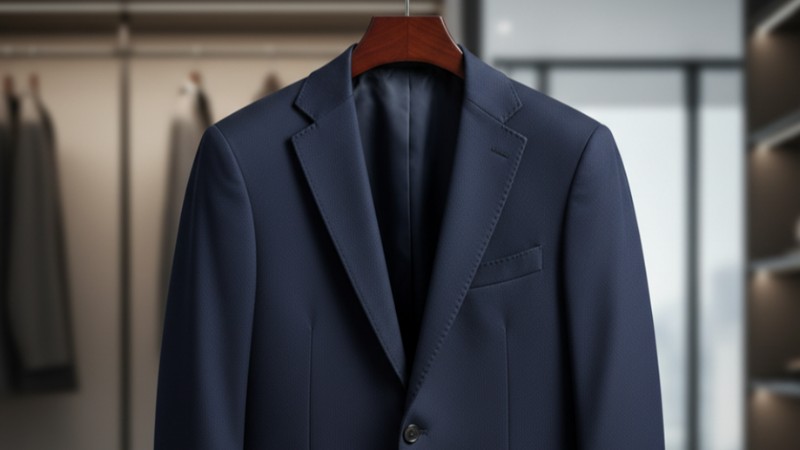
When you need a fabric that's both polished and practical, cotton gabardine fabric stands out. This mid-weight textile brings the classic structure of traditional gabardine into a more versatile, easy-care form. Whether you're a home sewer eyeing a new blazer or simply curious about durable materials, understanding its properties is key.
Defining Cotton Gabardine: A Modern Take on a Classic Weave
At its heart, gabardine is defined by a specific weave, not just its fiber content. This structure gives the fabric its signature durability and diagonal rib.
The Gabardine Weave: Structure and History
Gabardine uses a tight 2/2 or 2/1 twill weave. This means the weft threads pass over and under multiple warp threads in a repeated, offset pattern, creating those distinctive diagonal lines. Originally popularized by Burberry for trench coats, this weave packs yarns tightly together, resulting in a strong, densely woven cloth that naturally resists wind and light moisture.
Cotton Gabardine vs. Traditional Wool Gabardine
The core difference lies in the fiber. Wool gabardine offers superior water resistance, a luxurious drape, and a more formal, traditional feel. Cotton gabardine, in contrast, is all about breathability and easy maintenance. It's machine-washable, more casual in hand, and ideal for warmer climates or projects where dry-cleaning is undesirable. For a structured summer jacket or durable trousers, cotton gabardine is a compelling modern choice.
Key Characteristics and Properties of Cotton Gabardine
What makes this fabric so useful? Its characteristics stem directly from the interplay between the sturdy gabardine weave and the natural cotton fiber.
Durability and Strength
The tightly packed twill weave is the secret to its resilience. This structure makes cotton gabardine highly resistant to abrasion, pilling, and tearing. Garments made from it can withstand frequent wear, making it a favorite for uniforms, workwear, and any item that needs to last.
Weight, Drape, and Texture: Is Cotton Gabardine Stiff?
This addresses a common query. Fresh off the bolt, cotton gabardine has a crisp, structured hand. It's not soft and flowy like jersey; it has body. This initial stiffness is what allows it to hold sharp creases and tailored shapes so well. With washing and wear, it softens considerably while retaining its shape. Typical cotton gabardine weight falls in the mid-to-heavy range, similar to a sturdy chino or light canvas, perfect for structured garments.
Wrinkle Resistance and Maintenance
Compared to plain-weave cottons, gabardine's tight construction gives it good wrinkle resistance. Creases tend to fall out more easily, and it presses beautifully. This leads directly to its straightforward care routine.
Common and Creative Uses for Cotton Gabardine
Its blend of structure and durability opens doors to a wide range of projects, from the sartorial to the practical.
Tailored Garments: Blazers, Trousers, and Skirts
This is its natural habitat. The fabric's body is ideal for blazers, suit trousers, walking shorts, and A-line skirts that require a clean, sharp silhouette. It provides the polish of a suiting fabric with more everyday practicality.
Cotton Gabardine in Dressmaking: Tips and Project Ideas
For dressmakers, it's a rewarding fabric to work with. It's stable, doesn't stretch, and cuts cleanly. Ideal patterns include shift dresses, tailored jackets, utility jumpsuits, and structured tops. Use a sharp microtex needle, a slightly longer stitch length, and finish seams with pinking shears or an overlocker to prevent fraying. Press seams well during construction for a professional result.
Beyond Apparel: Upholstery and Accessories
Don't limit it to the wardrobe. Its toughness makes it excellent for light upholstery projects like throw pillows, chair seat covers, or ottomans. It's also fantastic for structured bags, totes, and durable laptop sleeves.
How to Care for and Wash Cotton Gabardine
One of cotton gabardine's biggest advantages is its ease of care. Follow these steps to maintain its appearance for years.
Pre-Wash and Laundering Best Practices
Always pre-wash your fabric before sewing to account for any minimal shrinkage. For finished garments, machine wash on a cold, gentle cycle with a mild detergent. Avoid bleach. Tumble dry on low heat or, better yet, line dry to prevent excessive wrinkling and conserve energy. Removing items promptly from the dryer minimizes wrinkles.
Ironing and Storage for Longevity
For a crisp finish, iron cotton gabardine while it is still slightly damp using a medium-to-high heat setting with steam. This smooths the fabric beautifully. Store garments on padded hangers to maintain shape and avoid sharp creases from folding for long periods.
Final Thoughts: Is Cotton Gabardine Right for Your Project?
Cotton gabardine fabric is a champion of structured, durable, and versatile sewing. Choose it when you need a project to hold its shape, endure frequent use, and offer easy care. Consider a softer fabric if you're looking for a fluid, drapey silhouette. For tailored classics, smart uniforms, or hardy home decor, its crisp hand and resilient nature are hard to beat.
FAQ: Your Cotton Gabardine Fabric Questions Answered
Is cotton gabardine suitable for summer clothing?
Yes, its cotton content makes it breathable. It's excellent for structured summer pieces like tailored shorts, safari jackets, or shift dresses where you want shape without heaviness.
How does the weight of cotton gabardine compare to denim or canvas?
It's generally lighter than mid-weight denim and similar to a light to mid-weight canvas. It has less bulk than denim but offers comparable durability for tailored items.
Can cotton gabardine be machine washed, or is dry cleaning required?
Machine washing is typically perfectly safe and recommended. Always check the specific fabric's care label, but one of cotton gabardine's main benefits is its washability.
What type of thread and needle should I use when sewing with cotton gabardine?
Use a high-quality all-purpose or polyester thread. A sharp Microtex or denim needle (size 80/12 or 90/14) will cleanly pierce the tight weave without causing pulls or skipped stitches.