Alpaca Fabric: A Guide to Its Properties and Uses
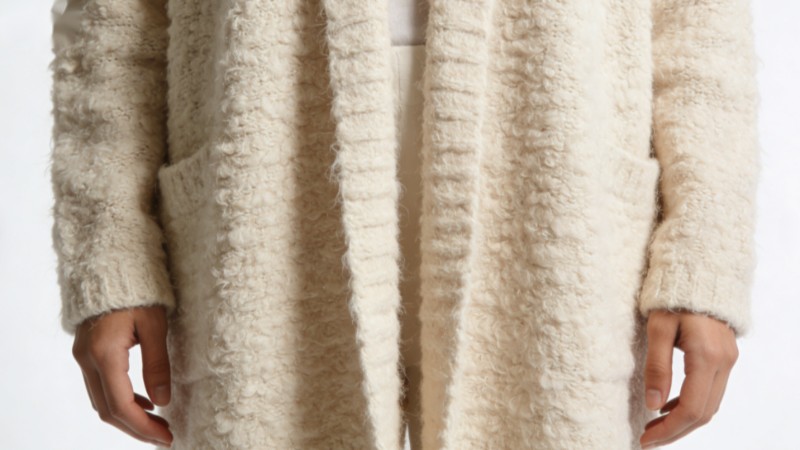
When you think of luxurious, warm, and sustainable natural fibers, alpaca fabric often tops the list. Sourced from the fleece of the South American alpaca, this material has been cherished for centuries, from ancient Incan royalty to modern fashion runways. But what exactly sets it apart from other textiles?
This guide dives into the core characteristics of alpaca fiber, its practical warmth, and the best applications for this exceptional material. Whether you're a knitter, a conscious shopper, or simply curious, understanding alpaca fabric helps you make informed choices.
What Is Alpaca Fabric?
Alpaca fabric is a textile made from the hair of the alpaca, a domesticated camelid native to the Andes mountains. Unlike sheep's wool, alpaca fiber is hollow, which gives it a unique combination of lightness and insulating power. The fabric is known for its softness, which can range from a standard feel to an ultra-fine, cashmere-like texture known as "baby alpaca."
The production process involves shearing the animals annually, sorting the fleece by color and fineness, and then spinning it into yarn. This yarn is then woven or knitted into various fabrics. The result is a material that is not only beautiful and functional but also more sustainable than many synthetic alternatives.
Key Alpaca Fiber Properties
The popularity of alpaca fabric isn't accidental; it's built on a foundation of remarkable physical properties. These traits make it a standout choice for high-quality garments and textiles.
Softness and Lack of Itch
Most alpaca fiber contains little to no lanolin, the waxy substance found in sheep's wool that can cause allergic reactions and itchiness. Combined with its fine micron count, this makes many alpaca fabrics incredibly soft against the skin, suitable even for those who find wool uncomfortable.
Thermal Regulation and Warmth
The hollow core of each alpaca hair acts as a superb insulator. It traps warm air in cold weather, providing exceptional warmth without heavy weight. Conversely, the fiber's structure also allows for breathability, helping to regulate body temperature in cooler summer climates.
Durability and Resilience
Alpaca fiber is stronger than sheep's wool. This translates to fabrics that are more resistant to pilling, stretching, and general wear. A well-made alpaca sweater can maintain its shape and appearance for many years, becoming a wardrobe staple.
Natural Attributes
Hypoallergenic: Due to the absence of lanolin and other greases common in wool.
Water-Resistant: The fiber can repel light moisture, making it somewhat weather-resistant.
Flame Retardant: Alpaca fiber is naturally flame-resistant and will self-extinguish.
Color Richness: It absorbs dye beautifully, resulting in deep, vibrant colors that last.
Alpaca Fabric vs Wool: A Practical Comparison
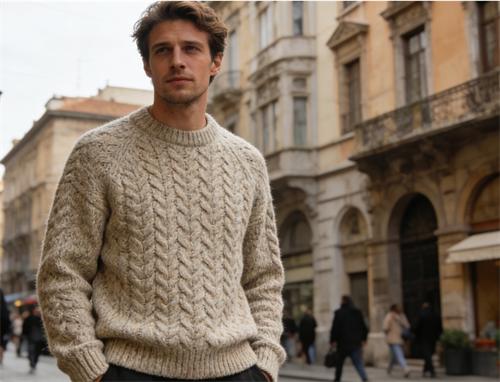
Choosing between alpaca and traditional wool often comes down to specific needs and sensitivities. Here’s a breakdown of how they differ.
| Property | Alpaca Fabric | Sheep's Wool |
|---|---|---|
| Warmth | Warmer by weight due to hollow fibers. | Warm, but often requires thicker, heavier yarn for equivalent warmth. |
| Softness | Generally softer, with less prickly feel; fine grades rival cashmere. | Can range from coarse to soft (e.g., merino), but often contains itch-causing lanolin. |
| Weight | Lightweight and less bulky. | Denser and can feel heavier. |
| Durability | Highly durable, resists pilling and holds shape well. | Durable, but may pill or felt more easily with friction and moisture. |
| Moisture Management | More water-repellent and breathable. | Absorbs moisture readily, which can feel damp and heavy. |
| Care | Often hand-wash or dry-clean; requires gentle care. | Some types (e.g., superwash merino) are machine-washable. |
For someone who values supreme softness, maximum warmth without weight, and has wool sensitivity, alpaca is the superior choice. For everyday, machine-washable durability in a wider range of price points, wool remains an excellent option.
Best Uses for Alpaca Fabric
Given its unique properties, alpaca fiber shines in specific applications. It's not a one-size-fits-all textile, but where it fits, it excels.
Knitwear: This is the most common use. Sweaters, cardigans, hats, scarves, and gloves made from alpaca are luxuriously warm, lightweight, and have a beautiful drape. A fine-gauge alpaca sweater provides elegance without bulk.
Blankets and Throws: Alpaca blankets offer exceptional insulation and softness. They are ideal for adding cozy warmth to a living space or as a lightweight yet warm bed covering.
High-End Suiting and Coating: When woven into a dense, fine cloth, alpaca fabric creates sophisticated suits and overcoats. These garments are warm, breathable, and have a distinctive, rich appearance.
Base Layers: For outdoor activities in cold weather, alpaca's moisture-wicking and thermal properties make it an excellent, odor-resistant material for base layers.
Choosing Your Alpaca Fabric
Not all alpaca is created equal. When selecting a product, consider the grade. "Royal alpaca" is the finest and rarest, under 19 microns. "Baby alpaca" (under 22.5 microns) is exceptionally soft. Standard alpaca is still soft but more robust. The blend also matters; alpaca mixed with merino wool or silk can enhance durability, reduce cost, or add sheen.
Final Thoughts on This Luxurious Fiber
Alpaca fabric represents a harmonious blend of nature's engineering and timeless craftsmanship. Its standout properties—unrivaled warmth-to-weight ratio, skin-friendly softness, and durable elegance—justify its status as a premium material. While the care it requires and the investment it commands are considerations, the long-term value is clear.
Whether you're comparing alpaca fabric vs wool for your next winter knit or seeking a sustainable, hypoallergenic textile, alpaca fiber offers a compelling answer. It’s a choice that connects wearers to an ancient tradition while delivering modern performance and comfort.
FAQs About Alpaca Fabric
Is alpaca fabric itchy?
High-quality, fine-grade alpaca (like baby alpaca) is typically not itchy. Its lack of lanolin and smooth fiber scales make it comfortable for most, even those sensitive to wool.
Can you wash alpaca fabric?
Hand washing in cool water with a mild detergent is safest. Lay the item flat to dry to prevent stretching. Always check the care label, as some blends may have different instructions.
Is alpaca warmer than cashmere?
Yes, alpaca is generally warmer than cashmere by weight due to its hollow fibers. It is also more durable and less prone to pilling, though cashmere is famously soft.
Is alpaca fabric good for summer?
While known for warmth, lightweight weaves of alpaca are breathable and can be suitable for cool summer evenings or in climates with low humidity, as it helps regulate temperature.
How sustainable is alpaca fiber?
Alpacas have a low environmental impact. They have soft padded feet that don't damage pastures, and they eat grass without pulling it up by the roots. Their fleece is a renewable, biodegradable resource.