REACH, ZDHC MRSL and PFAS Rules in the Textile Industry
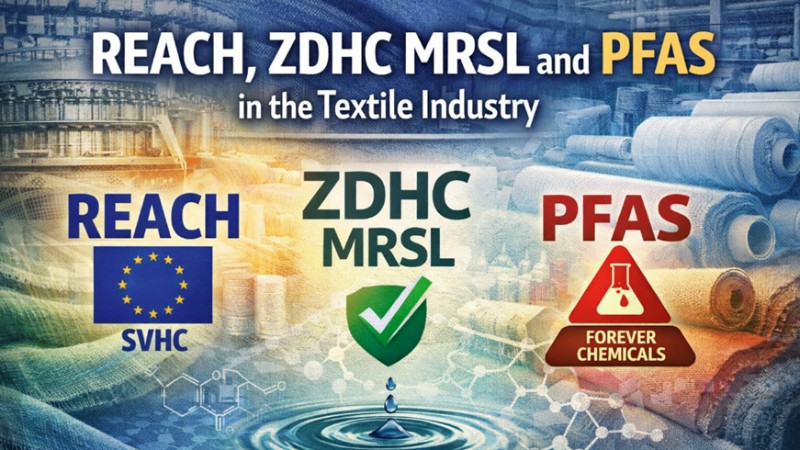
The global textile industry is facing increasing regulatory pressure as governments and international organizations tighten restrictions on hazardous chemicals used in textile production. From the European Union’s REACH regulation to the widely adopted ZDHC Manufacturing Restricted Substances List (MRSL), brands and manufacturers are expected to eliminate harmful substances across the apparel supply chain.
At the same time, growing global concern about PFAS chemicals in textiles is leading to stricter regulations in both Europe and the United States. These changes are pushing textile companies to adopt safer chemistry, improve supply chain transparency, and accelerate the transition toward sustainable textile manufacturing.
Understanding these regulatory frameworks is becoming essential for textile mills, apparel manufacturers, and brands that want to remain competitive in global markets.
REACH Regulation and Chemical Safety in the Textile Industry
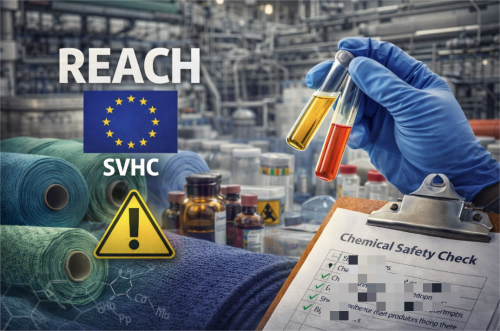
The European Chemicals Agency (ECHA) oversees the European Union’s REACH Regulation, one of the world’s most comprehensive chemical management systems.
REACH (Registration, Evaluation, Authorisation and Restriction of Chemicals) requires companies to identify and manage risks related to chemicals used in products sold in the European Union. For the textile industry, REACH places strict controls on substances classified as Substances of Very High Concern (SVHC).
These substances may include:
• Certain azo dyes
• Heavy metals such as lead or cadmium
• Phthalates used in plastics or coatings
• Flame retardants with potential health risks
Manufacturers exporting textiles to Europe must ensure that these chemicals are either restricted or fully disclosed. The SVHC candidate list continues to expand, making compliance an ongoing challenge for textile producers.
As a result, textile companies are investing more resources in chemical management systems, testing protocols, and supplier audits to maintain access to the European market.
ZDHC MRSL: A Global Standard for Safer Textile Production
In addition to government regulations, the industry itself has introduced collaborative initiatives to reduce hazardous chemicals.
The Zero Discharge of Hazardous Chemicals Foundation (ZDHC) developed the Manufacturing Restricted Substances List (MRSL) to control chemicals used during textile production, especially in wet processing stages such as dyeing, washing, and finishing.
Unlike traditional restricted substance lists that focus on finished products, the ZDHC MRSL targets chemicals at the manufacturing stage. This approach helps prevent harmful substances from entering the supply chain in the first place.
Today, many global fashion brands require their suppliers to comply with ZDHC standards as part of their sustainability and compliance programs.
For textile mills, this means:
• Eliminating certain hazardous dyes and auxiliaries
• Improving wastewater treatment systems
• Using safer chemical formulations
• Increasing transparency in chemical inventories
The adoption of MRSL guidelines has become a key step toward achieving cleaner production in the textile industry.
Growing Global Restrictions on PFAS in Textiles
Another major regulatory trend affecting textile production is the tightening control of Per‑ and Polyfluoroalkyl Substances (PFAS).
PFAS are a large group of synthetic chemicals often used in textiles to create water-repellent, stain-resistant, and oil-resistant fabrics. These properties have made PFAS popular in outdoor apparel, sportswear, and protective clothing.
However, PFAS are sometimes referred to as “forever chemicals” because they do not easily break down in the environment and may accumulate in water, soil, and living organisms.
Because of these environmental and health concerns, regulators are moving to restrict PFAS across multiple industries, including textiles.
PFAS Restrictions in the European Union
The European Union has already restricted certain perfluorocarboxylic acids (PFCAs) and related substances under REACH. Policymakers are now working on a broader PFAS restriction proposal that could significantly affect textile coatings and finishing technologies.
The proposed measures could impact thousands of PFAS compounds used in industrial processes.
PFAS Regulation in the United States
In the United States, several states are introducing laws targeting PFAS in consumer products, including textiles.
For example, **California State Legislature passed regulations prohibiting the intentional addition of PFAS in certain textile products starting in the mid-2020s. Some regulations also establish limits on total organic fluorine content as a method for detecting PFAS presence.
These regional policies indicate that PFAS restrictions may soon become a global compliance requirement for apparel brands and textile manufacturers.
What These Regulations Mean for Textile Manufacturers
As chemical regulations expand, textile manufacturers must rethink how they manage chemicals and production processes.
Key implications include:
1. Greater Supply Chain Transparency
Brands are increasingly requiring detailed chemical disclosure from suppliers. Digital tracking systems and chemical inventory platforms are becoming common tools for compliance.
2. Investment in Safer Alternatives
Manufacturers are exploring PFAS-free water repellents, bio-based finishes, and greener dyeing technologies to replace restricted substances.
3. Increased Testing and Certification
Third-party certification programs such as OEKO-TEX®, bluesign®, and ZDHC verification are becoming more important for demonstrating compliance with international chemical standards.
The Future of Sustainable Chemical Management in Textiles
The tightening of global chemical regulations signals a broader transformation in the textile and apparel industry.
Rather than relying on reactive compliance, companies are beginning to adopt proactive chemical management strategies, integrating sustainability and safety into product design and manufacturing.
In the coming years, the combination of REACH regulation updates, ZDHC standards, and PFAS restrictions will likely accelerate innovation in safer materials, cleaner dyeing processes, and more transparent supply chains.
For textile manufacturers, staying ahead of these regulatory developments will be essential to maintaining market access and building long-term trust with global brands and consumers.